



Jeep Thermostat Problems: Symptoms, Housing Issues and Finding the Right Replacement
A thermostat plays a small but important role in your Jeep's cooling system. It regulates coolant flow according to engine temperature, helping the engine warm up and maintain its intended operating range.
When a Jeep thermostat sticks, leaks, or stops regulating coolant correctly, you may notice overheating, slow warm-up, unstable temperature readings, or loss of cabin heat. The exact symptoms depend on whether the thermostat is stuck open, stuck closed, or affected by a problem elsewhere in the cooling system.
Jeep Chrysler Dodge Ram Parts carries Mopar thermostats and thermostat components for compatible Jeep applications, including thermostats, housings, gaskets, seals, and complete assemblies.
What Does a Jeep Thermostat Do?
When an engine is cold, the thermostat helps control coolant circulation so the engine can reach its intended operating temperature. As coolant temperature rises, the thermostat opens according to its design and allows coolant to circulate through the radiator.
The process helps balance two needs: warming the engine efficiently and preventing excessive operating temperature.
The thermostat works with the rest of the cooling system, including the radiator, radiator hoses, water pump, cooling fans, coolant passages, sensors, and reservoir.
Signs of a Bad Jeep Thermostat
Thermostat problems do not always produce the same symptoms.
Possible signs include:
- Engine temperature rising above its normal range.
- The engine taking unusually long to warm up.
- A temperature gauge that changes unexpectedly.
- Weak cabin heat after the engine should be warm.
- Coolant leaking near the thermostat housing.
- A cooling-system warning or related diagnostic code.
These symptoms do not confirm the thermostat by themselves. Low coolant, a leaking hose, failing water pump, blocked radiator, cooling-fan problem, sensor fault, or other issue can create similar conditions.
Stuck-Closed vs. Stuck-Open Thermostats
A thermostat that remains closed can restrict coolant circulation through the radiator as the engine warms. That can contribute to overheating.
A thermostat that remains open can allow coolant circulation too early, making it harder for the engine to reach its intended operating temperature. Drivers may notice slow warm-up or reduced heater performance, especially in colder conditions.
In either case, confirm the diagnosis before ordering a replacement. Cooling-system problems can overlap, and an overheating Jeep should not simply receive a thermostat without inspecting the rest of the system.
Jeep Wrangler Thermostat Problems
Jeep Wrangler thermostat searches make up a significant portion of the thermostat-related demand for this site. Wrangler owners frequently search for thermostat replacement, thermostat housing issues, and the thermostat location on specific model years.
Wranglers have used multiple engines across the years, including different four-cylinder and V6 configurations. That means thermostat design and location can vary significantly.
A 2013 Wrangler, 2016 Wrangler, and newer Wrangler should not be assumed to use the same thermostat solely because they share the Wrangler name.
Start with the exact vehicle information in the Jeep parts catalog before choosing a thermostat or housing.
Jeep Cherokee and Compass Thermostats
Search demand also shows strong interest in Jeep Cherokee thermostats and Jeep Compass thermostats.
Some applications use a thermostat integrated with or serviced alongside a housing assembly. Others may involve separate seals, gaskets, sensors, or related cooling-system hardware.
That distinction matters when ordering. Do not assume a listing labeled "thermostat" includes the complete housing, sensor, gasket, and seal unless the product description specifically says so.
The site's thermostat catalog currently contains individual thermostats, thermostat kits, housings, housing assemblies, gaskets, O-rings, and seals, allowing you to match the repair to the components actually required.
Thermostat vs. Thermostat Housing
The thermostat is the temperature-responsive valve that controls coolant flow. The thermostat housing holds or surrounds that component and provides a connection point within the cooling system.
A thermostat can fail internally even when the housing remains intact. A housing can also crack, warp, leak, or develop a sealing problem even when the thermostat itself is not the original cause.
Some Jeep applications combine multiple pieces into an assembly. Check exactly what the Mopar listing includes before placing an order.
What Causes a Thermostat Housing to Leak?
A leak around the housing can come from several places. Possible causes include a damaged gasket or O-ring, a cracked housing, incorrect installation, damaged sealing surfaces, or another nearby cooling-system connection.
Before replacing the housing, clean and inspect the area so you know where the coolant is actually escaping.
Also inspect nearby coolant hoses. A leak from a hose connection can sometimes travel across other components and make the thermostat housing appear responsible.
Can You Drive a Jeep With a Bad Thermostat?
Driving with a suspected thermostat problem is not something to ignore, especially if the engine is overheating.
Excessive engine temperature can damage cooling-system and engine components. If the temperature rises abnormally, a warning appears, or coolant is being lost, stop and identify the cause rather than continuing to drive and hoping the temperature drops.
A thermostat stuck open may not create the same immediate overheating concern, but it can still prevent the engine from operating at its intended temperature and should be diagnosed.
Should You Replace the Water Pump at the Same Time?
Not automatically.
The thermostat and water pump both belong to the cooling system, but one component failing does not mean the other should always be replaced. Inspect the water pump for leakage, bearing problems, or other evidence that service is needed.
The same principle applies to the radiator and hoses. Replace components based on their condition and the correct repair procedure rather than changing every cooling-system part at once.
Why Choose a Genuine Mopar Thermostat?
A thermostat has to match the engine's temperature-control requirements, housing design, seals, mounting points, and cooling-system configuration.
Genuine Mopar thermostats are cataloged for specific Jeep applications, helping owners match the replacement to the factory cooling system rather than relying on a universal-looking part.
When shopping, confirm the Jeep model, year, engine, drivetrain, and any application notes shown in the catalog.
Find the Correct Jeep Thermostat Before Ordering
Do not buy a thermostat based only on a phrase such as "Jeep Wrangler thermostat" or "Jeep Cherokee thermostat." Those searches are useful for identifying the type of part, but they are not enough to guarantee fitment.
Select your exact vehicle through the Jeep catalog, then compare the thermostat listing with your engine and application.
If you already know the Mopar part number, use it as another reference. Part numbers can be superseded, so check the current listing rather than assuming the number on an older component is still the active service number.
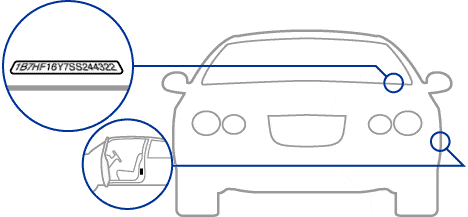
If multiple thermostat assemblies remain possible, contact Jeep Chrysler Dodge Ram Parts with your VIN and any existing part numbers before ordering.